
Weeks 1–2
Pain
Calm the pain down.
Hands-on work on the irritated tissue and a walking dose that does not set you back the next morning.
What We Treat
Every step goes through your foot, so a small problem down here changes how your whole body moves. It is fixable, and it starts with a cause-first evaluation, not a guess.
Sound Familiar?
Two or more? Keep reading.
Why It Happens
Every step you take goes through your foot, so a small problem down here changes how the whole leg moves. Pain usually traces to some mix of tissue that got loaded faster than it could adapt, an ankle that stopped moving properly after an old sprain, calf strength and length, and how you load the ground.
A sprain that never fully rehabilitated leaves the ankle weak and poorly controlled, which is why it keeps complaining and why it rolls again. A cause-first evaluation finds which of these is yours.
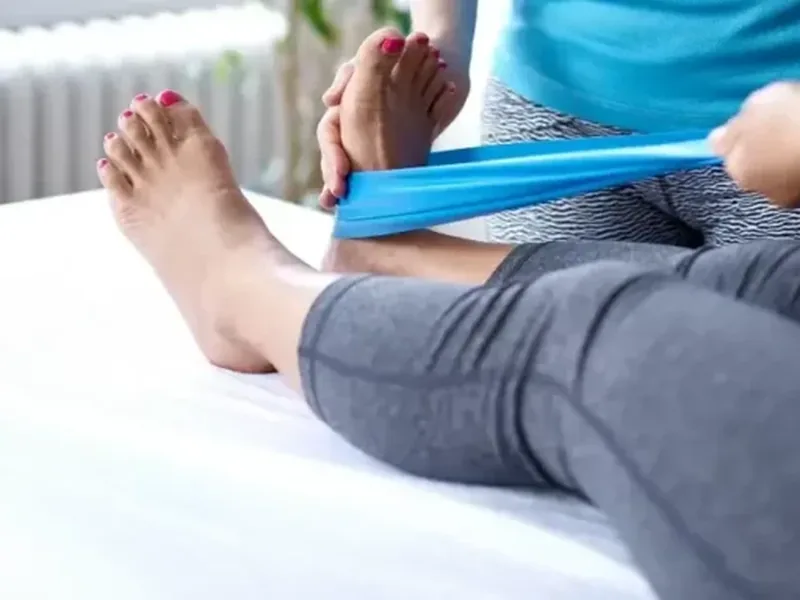
The Honest Truth
Nobody regrets starting too early. Plenty of people here wish they had started sooner.
How We Fix It
Every plan has an endpoint. Here is what the four phases look like for a foot or ankle.
Weeks 1–2
Pain
Hands-on work on the irritated tissue and a walking dose that does not set you back the next morning.
Weeks 2–6
Prime
Restoring ankle motion and calf length, which is where a surprising amount of foot pain actually lives.
Weeks 6–10
Perform
Progressive calf and foot strengthening, then balance and single-leg control, then impact when the tissue has earned it.
Weeks 10+
Prevent
We test hopping, balance and single-leg strength before you are cleared, and sort out footwear or an orthotic if that is genuinely part of it.
I am an avid badminton player, but a few months ago I developed an Achilles inflammation that made it difficult to walk normally and even painful to climb stairs. Now, I can play badminton again without worrying about struggling afterward, I can even climb stairs with no problem at all.
Shared by Saptaji B. · Achilles injury
Achilles so sore after badminton that climbing stairs hurt
Playing badminton again, and stairs are no problem at all
Questions, Answered
It is common, and it is not something you have to accept. A sprain that never fully rehabilitated leaves the ankle weak and poorly controlled, which is why it keeps complaining and why it tends to roll again. That is treatable now, even years later.
Maybe, and sometimes a custom orthotic is genuinely the answer. But support alone manages it. We would rather find out whether the problem is the foot, the way you load it, or something further up the chain.
Most patients see a significant reduction in pain within six visits. A full plan for foot and ankle pain runs through all four phases, Pain, Prime, Perform and Prevent, and you will always know which phase you are in and what is left. That is a plan with an endpoint, not an open-ended string of appointments.
Book Your Visit
Request a time and a real person calls you back to confirm it. No phone tree. No ‘someone will reach out.’ Just a plan.
5.0 · 150+ Google reviews
Free discovery visit available
Step 1 of 5
That’s the hard part done. We’ll call during business hours to lock in your time and tell you what to bring.
Get in Touch